
How Ingredient Quality Influences Authentic Italian Flavours
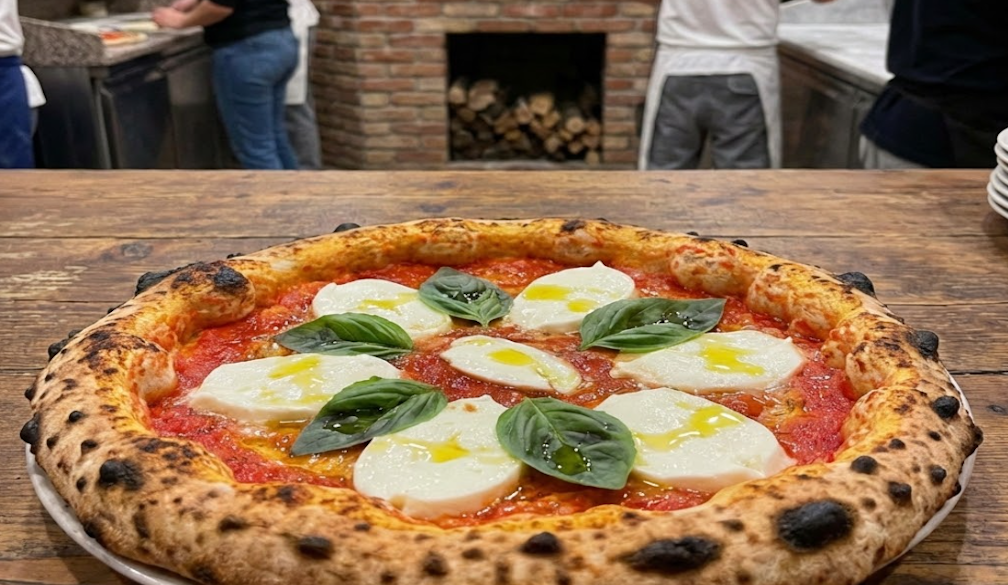
The essence of Italian cuisine is often described as a celebration of simplicity. Unlike cooking styles that rely on complex sauces or heavy seasoning to build taste, traditional Italian dishes lean on the natural profile of a few key components. When a recipe only calls for four or five items, the calibre of each one becomes the defining factor of the final result.
Achieving the best pizza in Brisbane or any other city requires more than just a recipe; it requires a commitment to sourcing produce that respects historical culinary standards.
The Foundation: Why Flour Grade Matters
In the world of pizza and pasta, the dough is the canvas. Authentic Italian kitchens typically use "00" flour, which refers to the texture of the grind. This flour is exceptionally fine, resulting in a dough that is supple and capable of producing a light, airy crust with the characteristic "char" of a wood-fired oven.
Using high-protein, finely milled flour ensures that the base is digestible and flavorful. When the grain is processed correctly, it develops a complex taste during the fermentation process. This patience in preparation, combined with superior grain quality, creates a crust that is crisp on the outside while remaining soft and chewy within.
The Science of the Tomato
A common mistake in non-traditional cooking is using over-processed or highly acidic tomatoes. Authentic Italian flavours depend on the sweetness and low acidity found in specific varieties, such as the San Marzano. These tomatoes are grown in volcanic soil, which imparts a unique mineral quality and a natural balance that does not require added sugar.
When these tomatoes are crushed for a sauce, they provide a bright, fresh counterpoint to the richness of the cheese. The difference is immediate; the sauce tastes of the fruit itself rather than preservatives or artificial thickeners.
The Impact of Fresh and Aged Cheeses
Cheese is often the most prominent topping, and its quality changes the entire structural integrity of the dish. Traditional pizza relies on Mozzarella di Bufala or high-quality Fior di Latte.
- Moisture Content: Superior cheeses are handled carefully to ensure they do not release excessive water during the bake, which would make the crust soggy.
- Melt Profile: A high-quality cheese melts into a creamy consistency rather than becoming oily or rubbery.
- Flavour Depth: For aged cheeses like Parmigiano-Reggiano, the length of the aging process adds a "umami" or savoury depth that acts as a natural flavour enhancer.
Oil and Herbs: The Finishing Touches
The final layers of a dish are just as vital as the base. Extra virgin olive oil is used not just for cooking, but as a seasoning. A cold-pressed, peppery oil drizzled over a hot pizza releases aromatics that complement the toasted crust. Similarly, using fresh basil and oregano rather than dried versions ensures that the herbal notes are vibrant and clear. These small details act as the "bridge" that connects the heavier elements of dough and cheese.
Preserving Culinary Heritage
Quality is a choice that respects the origins of the cuisine. When a kitchen prioritises regional produce and traditional methods, the result is a meal that feels intentional and balanced. Understanding the relationship between the farm and the table is what allows a local establishment to serve the best pizza in Brisbane, providing a genuine experience that resonates with the history of Italy.
By selecting ingredients for their purity and flavour rather than their cost or convenience, chefs ensure that the simplicity of Italian cooking remains its greatest strength.