
How Lifestyle Factors Can Influence Your Skin and Body Goals
- Written by Australia.so
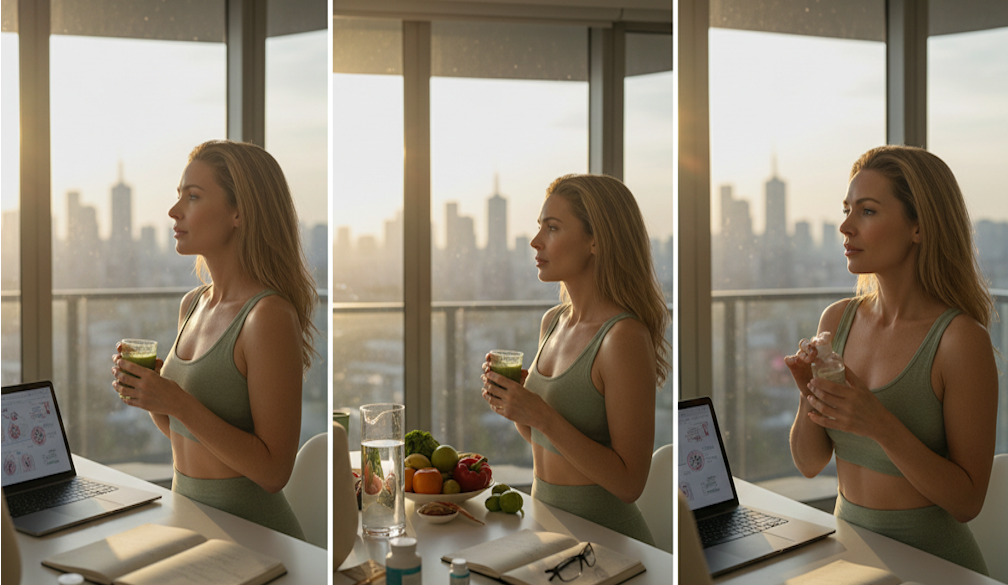
Achieving the results you want from aesthetic treatments often depends on more than the procedure itself. The daily habits you maintain outside of a cosmetic clinic in Melbourne can have a significant impact on how your skin responds to treatment and how long your results last. From what you eat to how well you sleep, lifestyle plays a bigger role than many people realise. This article will explore the key lifestyle factors that can either support or undermine your skin and body goals.
How Diet and Hydration Affect Your Skin
What you put into your body can have a direct impact on how your skin looks and behaves. Diets high in processed foods and refined sugars can contribute to inflammation, which often shows up as dullness or breakouts on the skin's surface. On the other hand, a diet rich in whole foods and adequate water intake supports the kind of cellular function that keeps skin looking healthy and responsive to professional treatments.
If you're investing in treatments at a skin clinic in South Yarra or elsewhere in Melbourne, maintaining good nutrition between appointments can help you get the most out of every session. Hydration is equally important, as well-hydrated skin tends to heal faster and maintain results for longer after procedures like facials or laser treatments.
The Role of Sleep and Stress
Sleep is when your body does most of its repair work, and that includes the skin. Consistently poor sleep can lead to a dull complexion and accelerate the visible signs of ageing, which can work against the goals you're trying to achieve through professional treatments. Most adults need between seven and nine hours of quality sleep per night to give the body enough time to properly regenerate.
Stress is another factor that tends to show up on the skin more than people expect. Elevated cortisol levels can trigger breakouts and contribute to a tired appearance that no amount of product can fully address. Managing stress through regular movement or mindfulness practices can complement the work being done at a cosmetic clinic in Melbourne and help you see better results overall.
Exercise and Body Composition
Regular physical activity supports healthy circulation, which plays a role in delivering nutrients to the skin and maintaining a healthy complexion. Exercise also contributes to body composition goals, which is relevant for anyone considering treatments offered by body sculpting clinics. While these procedures can target specific areas, maintaining an active lifestyle in general will help sustain results and support overall wellbeing.
It's worth noting that exercise alone may not address stubborn pockets of fat that are resistant to diet and activity, which is where professional body sculpting treatments can offer a complementary solution. A consultation at a skin or body clinic can help determine whether a combination of lifestyle changes and targeted treatments could be an effective approach for your individual goals.