
When Should You Visit a Skin Cancer Clinic? Early Warning Signs to Watch For
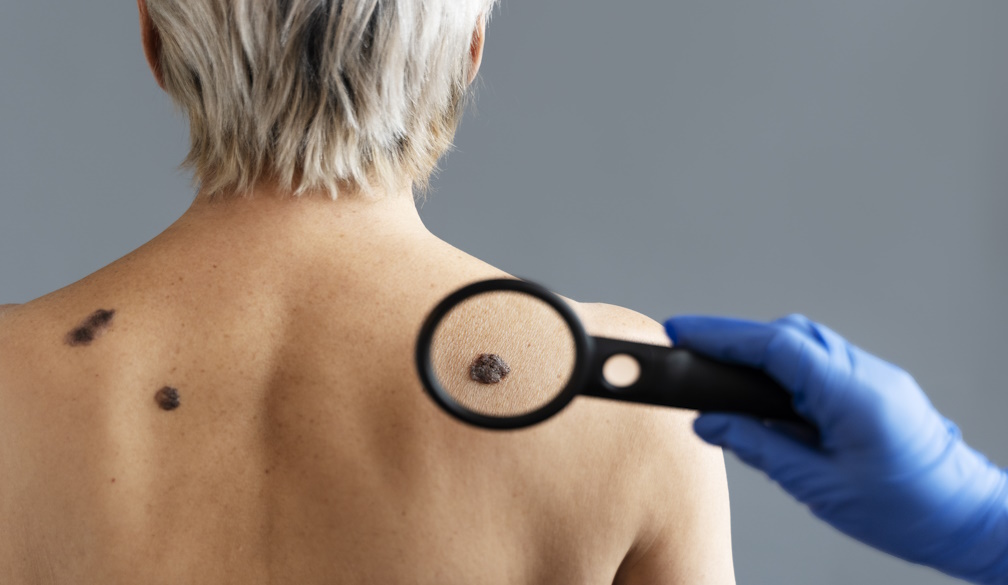
Recognising when to visit a skin cancer clinic is vital for early detection and treatment outcomes. Many skin changes appear harmless at first, yet some may signal a developing concern. Understanding what to watch for means you can take timely action and seek professional advice when needed. This article will explore key warning signs that may indicate it’s time to book an appointment.
Noticeable Changes in Moles or Spots
One of the most common reasons to attend a skin cancer clinic is a visible change in an existing mole or spot. Skin markings that evolve in size, shape or colour shouldn’t be ignored, as these changes can sometimes point to underlying issues. A mole that becomes darker, develops uneven edges or begins to look different from surrounding spots may warrant closer attention. Even subtle changes can be important, especially if they occur over a short period.
It’s also worth paying attention to new growths that appear after adulthood, as these can differ from long-standing moles. While many new spots are harmless, a professional assessment can provide reassurance. Australia’s high UV levels mean skin damage can accumulate over time, making regular monitoring an important part of maintaining skin health. If something appears unusual or doesn’t match other markings on the body, a visit to a skin cancer clinic is a sensible next step.
Persistent Skin Irritation
Not all warning signs are purely visual, as certain sensations can indicate a need for evaluation. If a spot becomes itchy or painful without an obvious cause, it may be worth having it checked. These sensations can sometimes accompany changes beneath the surface of the skin, even when the appearance seems relatively stable at first glance.
In some cases, a lesion may bleed or fail to heal properly over time. This can be particularly concerning if the area remains irritated despite basic care. Skin that repeatedly breaks down or forms a scab without healing may require further investigation. Visiting a skin cancer clinic allows for a thorough assessment to determine whether the irritation could be linked to something more serious.
High Sun Exposure and Personal Risk Factors
Living in Australia means regular exposure to strong sunlight, which can increase the likelihood of skin damage over the years. Individuals who spend significant time outdoors, whether for work or leisure, may benefit from routine checks at a skin cancer clinic. Even when protective measures are used, cumulative exposure can still affect the skin in ways that aren’t immediately visible.
Certain personal factors can also influence risk, including fair skin or a history of sunburn. People who have previously had suspicious lesions removed may be advised to arrange checks more frequently to monitor any changes. Regular visits can provide peace of mind and support early identification if changes do occur.
The Importance of Routine Checks
Regular skin checks can identify changes before they become more advanced. Many people choose to visit a skin cancer clinic as part of an ongoing approach to health, even when no obvious symptoms are present. These appointments allow trained practitioners to assess areas that may be difficult to monitor on your own, such as the back or scalp. Routine checks can also help establish a baseline for your skin, making it easier to notice changes over time. With consistent monitoring, even small differences can be detected earlier.
Conclusion
Being aware of early warning signs can help guide decisions about when to visit a skin cancer clinic. Changes in moles, ongoing irritation and personal risk factors all play a role in determining when professional advice may be needed. By paying attention to your skin and responding to changes, you can take a more informed approach to your health and wellbeing.