
Cpap Mask Selection: Understanding Nasal Options For Sleep Apnea
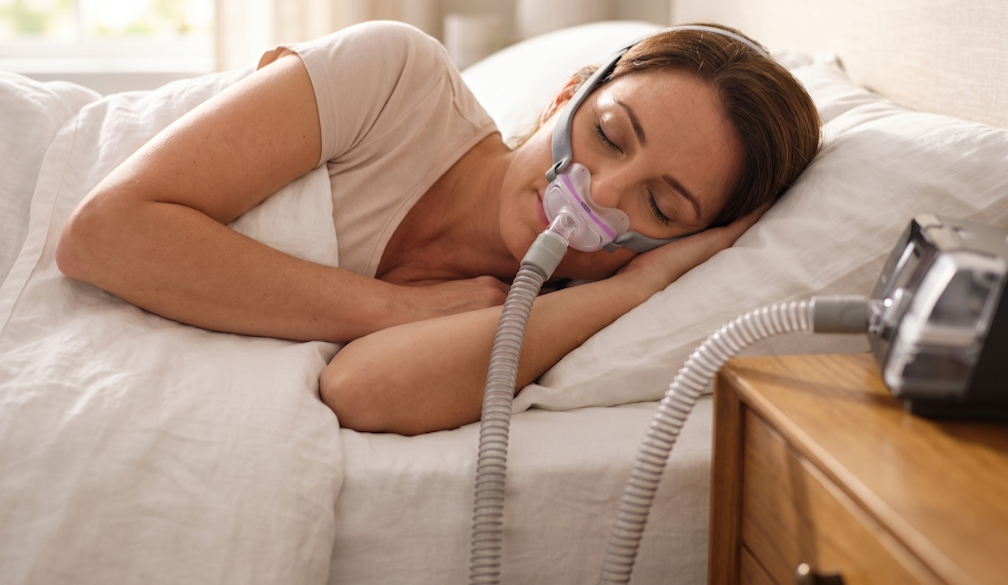
Understanding The Role Of A CPAP Mask
A CPAP mask is an important part of a positive airway pressure setup because it provides the interface between the therapy device and the person using it. The right style can affect comfort, fit and how easily someone maintains a consistent nighttime routine. My Happier Self provides sleep-related products and information, making it useful to consider mask design alongside individual sleeping habits and therapy requirements when assessing available options.
Why A Nasal Mask May Suit Some Users
A nasal mask covers the nose and is designed to deliver prescribed positive airway pressure through the nasal airway. Compared with full-face designs, it uses a smaller contact area, although suitability varies between individuals. Factors such as sleeping position, breathing habits and personal comfort can influence which interface feels most practical. A healthcare professional or sleep specialist can provide guidance when choosing equipment for prescribed CPAP therapy.
What Is A Sleep Apnea Nasal Mask?
A sleep apnea nasal mask is a nasal-style interface used with positive airway pressure therapy for people with obstructive sleep apnoea when this form of therapy has been prescribed. Its design generally focuses on covering the nose while maintaining an effective connection to the CPAP device. Understanding the intended use of a particular mask can help users compare options without assuming that one style will suit every sleeper.
Fit Is Central To Comfort
A well-fitting CPAP mask should create an effective seal without requiring excessive strap tension. If the mask is too loose, air may escape; if it is overtightened, pressure points and discomfort can develop. The correct fit depends on the mask design and the user's facial characteristics. Users should follow the fitting instructions supplied with their equipment and seek professional advice if persistent leaks or discomfort occur.
Considering Different Sleeping Positions
Sleeping position can influence how a nasal mask feels during the night. Someone who sleeps primarily on their back may have different practical considerations from a side sleeper who regularly moves during sleep. Headgear arrangement, tubing position and the physical size of the interface can all affect the experience. Comparing these features can help users understand how a particular mask may fit into their usual sleeping routine.
When Nasal Coverage Is The Focus
A sleep apnea nasal mask may be considered when therapy is delivered through the nose and a user prefers a nasal interface. However, nasal breathing can be affected by congestion or other factors, so individual circumstances matter. People using prescribed therapy should discuss persistent nasal obstruction, discomfort or difficulty using their equipment with their healthcare provider rather than changing treatment settings themselves.
Looking At Materials And Design
The construction of a CPAP mask can influence how it feels against the skin and how easily it can be cleaned and maintained. Cushion shape, headgear, frame size and connection design are among the practical details users may compare. Product instructions should be followed for cleaning and replacement because maintenance requirements vary between models. Choosing a design that fits comfortably can make regular equipment use more manageable.
Balancing Sealing And Freedom Of Movement
A nasal mask needs to remain sufficiently stable while allowing the user to move naturally during sleep. A mask that shifts easily may produce leaks, while excessive restraint may affect comfort. The appropriate balance depends on the individual and the specific design. Taking time to adjust the fit according to manufacturer guidance can be more useful than simply tightening the straps whenever a leak occurs.
Making An Informed Choice
When comparing equipment, users can also consider how the mask interacts with their normal bedtime routine. A CPAP mask that is simple to position and adjust may be easier to incorporate into regular therapy use. A sleep apnea nasal mask can be a practical option for someone whose prescribed treatment is intended to use a nasal interface, but the final choice should reflect individual needs and professional advice. It is also worth checking the manufacturer's instructions for cleaning, fitting and replacement of components. These details can differ between products, so users should follow the guidance supplied with their particular equipment. Comfort should be considered alongside the effectiveness of the prescribed therapy, rather than treated as a separate issue.
Before settling on a CPAP mask, users can also review whether the interface is compatible with the equipment they have been prescribed and whether the design suits their normal sleeping position. A sleep apnea nasal mask may provide a compact option for people using nasal therapy, while another interface may be considered when circumstances differ. Product specifications and professional guidance should be checked before purchase or changes to equipment.
Choosing a sleep apnea nasal mask is ultimately a matter of matching the interface to the prescribed therapy, facial fit and personal sleeping preferences. A product that feels comfortable for one person may not be suitable for another. My Happier Self can be a useful place to explore sleep-related products, while medical decisions about CPAP therapy, pressure settings and treatment suitability should remain with the relevant healthcare professional.